


Harness the Power of Cold Water: A Guide to Better Health with a Chill Therapy Spa
Xavier Labelle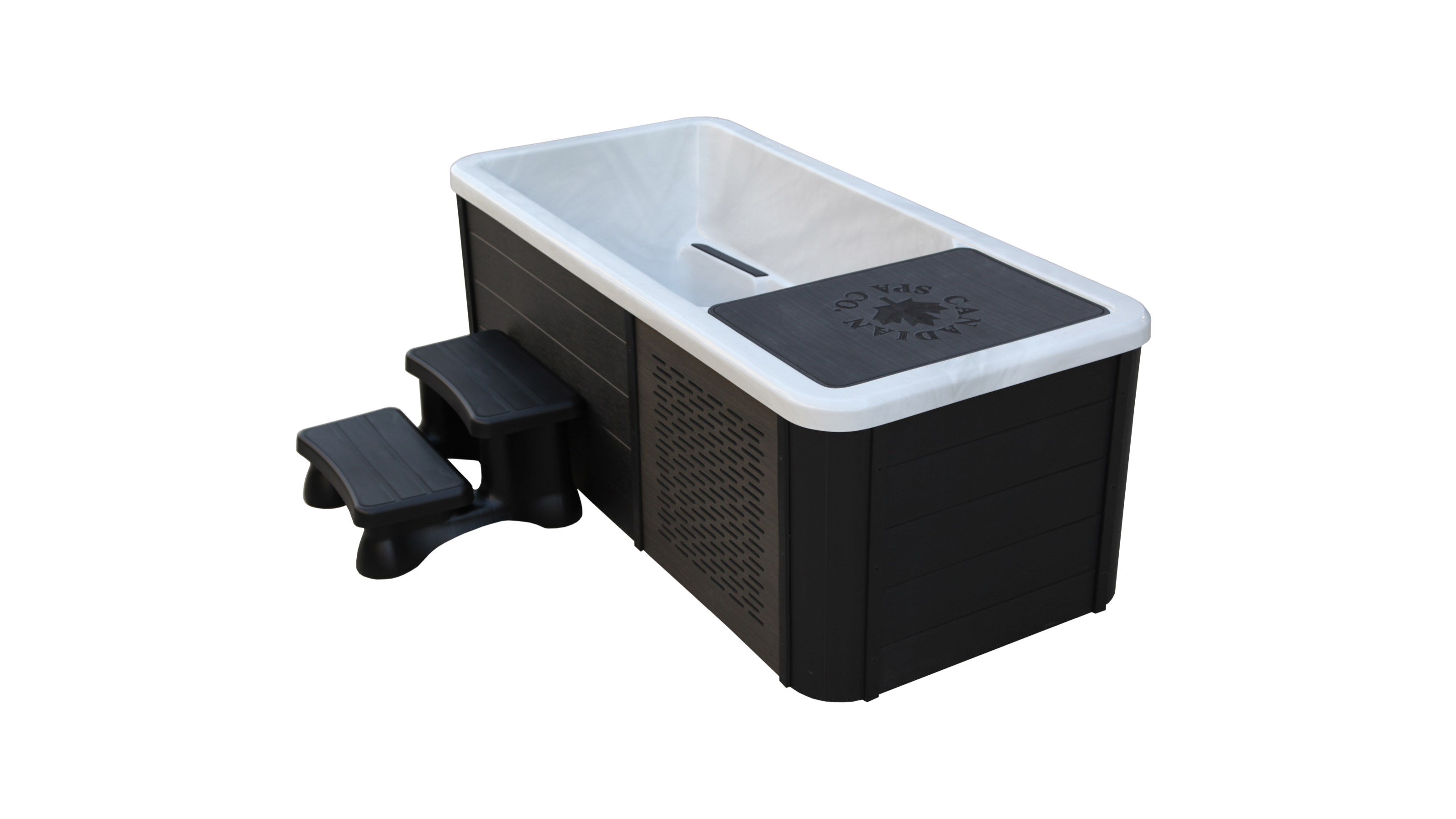
Cold-water immersion has moved from niche athletic recovery into mainstream wellness — and the home Chill Therapy Spa makes a regular cold session as straightforward as any other piece of garden wellness kit. This guide walks through what owners commonly use cold-water immersion for, how to start sensibly, and the safety guidance you should read before getting in.
Important safety note — please read before starting
Cold-water immersion isn’t suitable for everyone. Sudden cold-water exposure can trigger what’s called the cold-shock response — a sharp involuntary gasp, rapid breathing and a temporary spike in heart rate and blood pressure. For most healthy adults this is uncomfortable but safe. For people with cardiovascular conditions or undiagnosed heart problems, it can be more serious.
Please speak to your GP before starting regular cold-water immersion if any of the following apply:
- You have a known cardiovascular or heart condition.
- You have high or low blood pressure, or take medication for either.
- You have asthma or any respiratory condition.
- You’re pregnant or trying to conceive.
- You take medications that affect blood pressure, heart rhythm or hydration.
- You’re recovering from recent illness or surgery.
And in any case: never immerse alone, start with very short sessions, exit slowly if you feel unwell, and stop immediately if you experience chest pain, dizziness or breathing difficulty.
What people use cold-water immersion for
Below are the benefits most commonly attributed to regular cold-water immersion. The evidence varies — some claims are well-supported in physiology research, others are largely anecdotal. We describe each honestly rather than overselling.

Recovery after training and physical activity
This is the most well-established benefit. Sportspeople and physically active individuals widely use cold-water immersion as a recovery tool, and many report less stiffness and faster bounce-back the day after a hard workout, gardening, or a long day on their feet. We don’t claim it treats specific injuries or conditions, but as a recovery aid it has a long track record in athletic settings. Used after training rather than before — cold immersion can blunt some training adaptations if used immediately after strength work, so timing matters depending on your goals.
Easing post-activity muscle soreness
Cold water and the brief reduction in core temperature it triggers may help muscles feel less stiff after exercise. Many users describe the post-soak feeling as “reset” — particularly after a session in the sauna or hot tub first, where the contrast between hot and cold is part of the appeal. We avoid making medical claims about pain or specific conditions; the honest framing is that many regular users find it helpful as part of a wider wellness routine.
Mental wind-down and resilience
The mental side of cold immersion is what surprises most owners. The intense focus required to step into cold water and stay calm tends to create a strong “switch off” effect — many regular users describe their daily plunge as one of the few moments in the day when the mind genuinely empties. Plunging into cold water triggers the body’s stress response, and trained users find that practising staying calm through a controlled stressor builds a kind of mental resilience that carries into the rest of the day.
If you’re experiencing persistent low mood, anxiety, or other symptoms affecting your daily life, please speak to your GP. Cold-water immersion may be part of a balanced wellness routine, but it isn’t a treatment for mental health conditions.
The contrast experience — cold + hot
For owners with both a hot tub and a chill spa, alternating between them is one of the most rewarding ways to use both. A typical contrast session: 5–10 minutes warm soak → 1–3 minutes cold plunge → repeat 2–3 times. The sensation is intense and the post-session feeling is one of the best arguments for adding a chill spa to a household that already owns a hot tub. Browse our Chill Therapy Spa for the home cold-immersion option.
Starting sensibly: build up gradually
If you’re new to cold-water immersion, start very gently:
- Begin with cool, not freezing. Many owners start at 12–15°C rather than the colder 5°C target.
- Keep your first sessions short. 30 seconds is plenty for the first week. Build up to 1–2 minutes over a few weeks; 3–5 minutes is the upper end most regular users reach.
- Breathe through it. Slow, deliberate breathing helps you stay calm through the initial cold-shock response. Don’t hold your breath.
- Submerge to shoulders, not head. Keep your head above water. Submerging the head adds significant cardiovascular stress and risk of cold-shock complications.
- Have a warm towel and dry layers ready. Get out, dry quickly, layer up and have a warm drink. Don’t try to “tough it out” once you’re shivering hard.
- Listen to your body. Stop immediately if anything feels wrong.
Frequently asked questions
How cold should the water be?
Most experienced users settle around 5–10°C. New users should start warmer (12–15°C) and work down gradually as their tolerance builds.
How long should a cold-immersion session last?
30 seconds for beginners, building to 1–3 minutes over weeks. Most regular users settle around 2–4 minutes per session. Longer isn’t better — total cold exposure across the week matters more than any single long session.
How often should I use a chill spa?
Daily is fine for experienced users; 2–4 times a week is plenty for most beginners. Listen to how your body responds and don’t push through warning signs.
Can I use a chill spa if I’m pregnant or have a heart condition?
Please speak to your GP first. Cold immersion is contraindicated for several conditions, and pregnancy is one of the situations where the risk-benefit balance needs proper medical input.
What’s the difference between a chill therapy spa and a wheelie bin full of cold water?
A purpose-built chill spa includes proper filtration, sanitisation, temperature control and water care — the water stays clean and at a stable temperature. DIY cold-water tubs work in principle but require manual water changes, sanitation, and you can’t control temperature precisely. A proper chill spa is the difference between an occasional cold dip and a sustainable daily habit.
Will cold immersion help me lose weight?
Honestly, no — not in any meaningful way. There’s research on cold exposure and brown fat activation, but the practical contribution to weight management is small. Sustainable weight management comes from diet, sleep and exercise, not from cold immersion. We’d rather tell you that up front.