Plug-and-plunge cold therapy tubs
Cold plunge at 5°C. No ice, no plumbing, no waiting.
Our chill therapy spas cool themselves. The chiller is built into the tub — fill it with a garden hose, plug it into a standard UK socket, and it takes the water down to a target temperature as low as 5°C on its own. No hauling ice bags, no installer visit, no freezer hack. The same unit also heats the water up to 39°C when you'd rather a warm soak — no massage jets (that's what a hot tub is for), just a flexible well of water at whichever temperature suits you.
What makes an integrated chill therapy spa different
The usual cold-plunge compromises — ice bags, chest-freezer conversions, plumbed-in chillers that need an electrician — fall away when the cooling is built into the tub itself.
-
Down to 5°C on its own
The integrated chiller takes tap water down to 5°C — cold enough for any recognised cold-therapy protocol without needing bags of ice. Most users settle into a 8–12°C range for regular use; the tub holds your set point continuously once it gets there.
-
Plug and plunge — with 1m airflow clearance
Standard UK 13A plug, garden hose fill, drain hose to empty. No plumbing, no installer. One thing we can't stress enough: leave at least 1 metre clear all the way round the tub for chiller airflow. Pretty much every 'my tub won't get cold' support call we take comes from a spa shoved against a wall or fence, starving the chiller. Build the space before you buy.
-
Ozone + UV — water stays clean for weeks
Built-in ozone and UV water purification keep the water sanitised continuously, so a full water change is typically every 4–6 weeks — not every session. Same water-care tech we use across our hot tub range, adapted for a much cooler tub.
-
UK stock, UK support
Every chill therapy spa here is held in our UK warehouse with next-available-day despatch on most orders, and backed by our UK-based customer service team for setup help, spare parts and warranty (12-month warranty on the main integrated units).
-

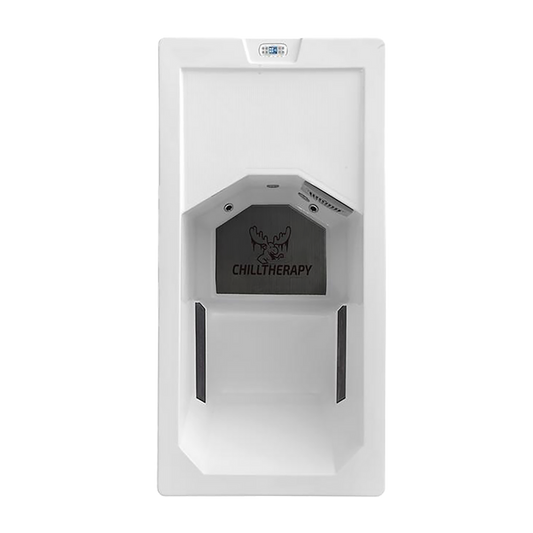
Great Lakes Chill Therapy Spa - Fill, plug in, and experience it Grey Finish
1-Person 212 x 102 x 81 cmReducedGreat Lakes Chill Therapy Spa - Fill, plug in, and experience it Grey Finish
1-Person 212 x 102 x 81 cmRegular price £2,495.00Regular price£5,999.00Sale price £2,495.00Reduced -
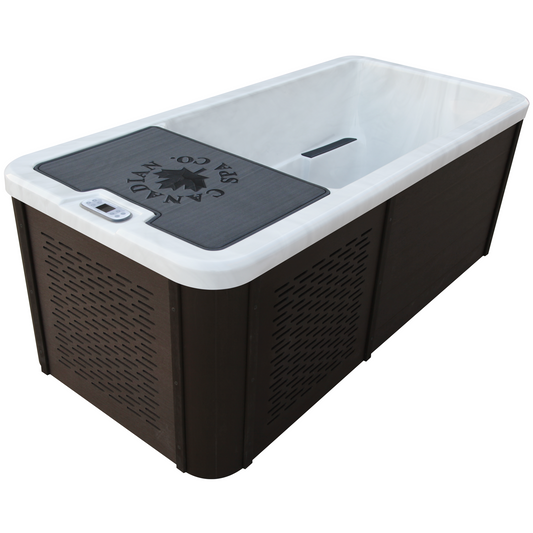
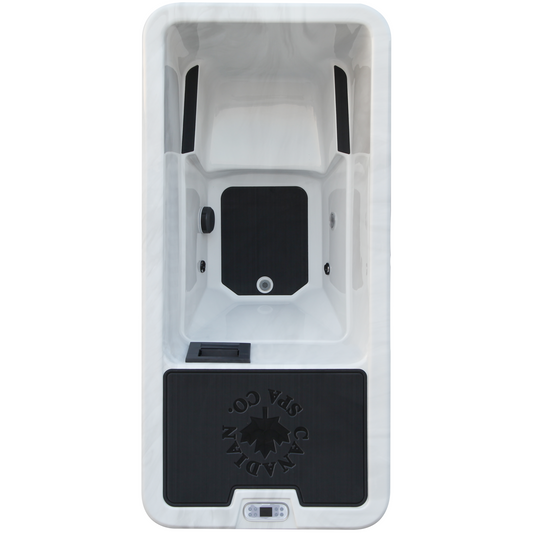
Chill Therapy Spa - Fill, plug in, and experience it Brown Finish
1-Person 212 x 102 x 81 cmChill Therapy Spa - Fill, plug in, and experience it Brown Finish
1-Person 212 x 102 x 81 cmRegular price £2,795.00Regular price -
Portable Chill Therapy Spa-80cm diameter x D80cm
Regular price £19.99Regular price£199.00Sale price £19.99Reduced -
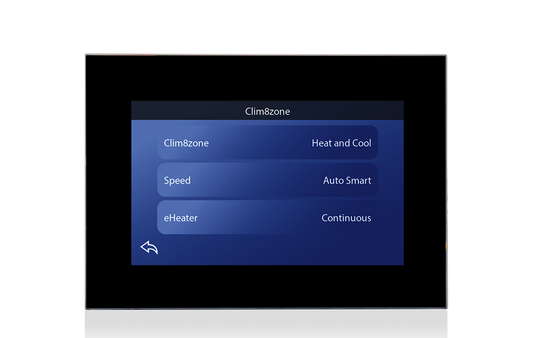
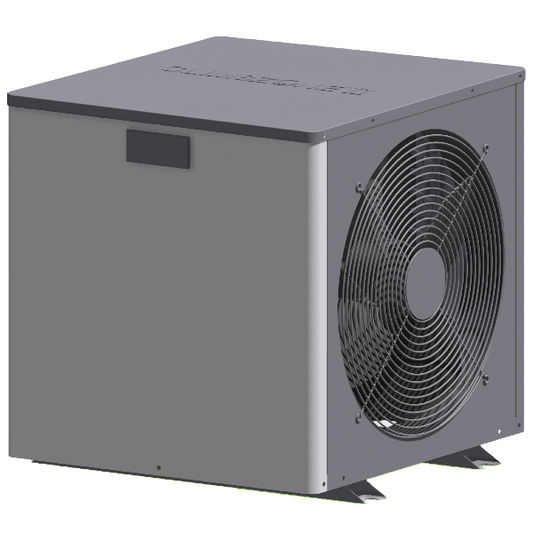
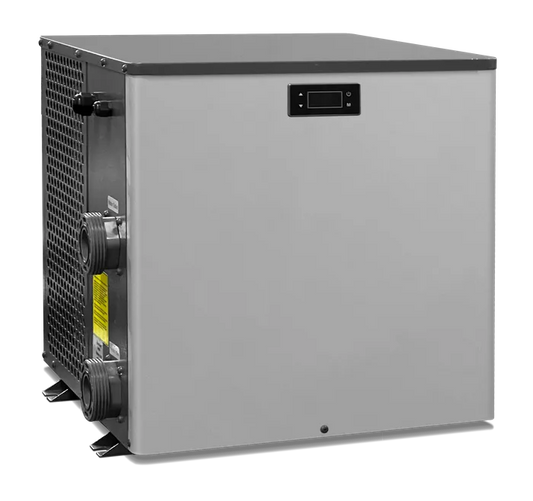
Balboa Clim8zone II Mini Heat Pump -4KW
Regular price £829.99Regular price£1,000.00Sale price £829.99Reduced -
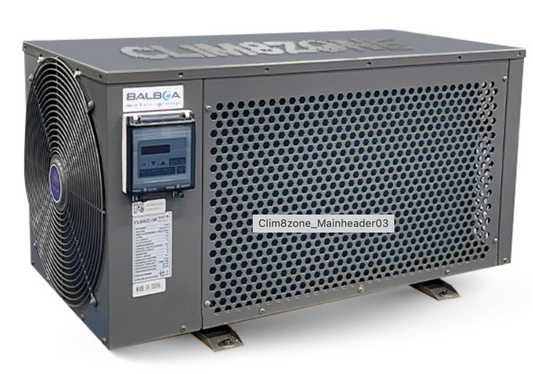
 More Stock on the Way
Balboa Clim8zone II Heat Pump
Regular price £1,199.00Regular price£1,999.00Sale price £1,199.00More Stock on the Way



Chill Therapy: UK Buying Guide
This collection is part of the Canadian Spa Company UK range of hot tubs, swim spas, saunas and spa essentials. Compare options by fit for your space, running costs, insulation, warranty and ongoing maintenance requirements to make a better long-term choice.
If you need help choosing the right model or part, our support team can guide you on compatibility, delivery and aftercare.
About Chill Therapy
Cold plunge for serious recovery, in a single unit that also heats to 39°C — so you can do a proper Scandinavian contrast cycle without owning two tubs. The chiller inside is a Balboa Clim8zone II heat pump, integrated in the cabinet (the same industrial unit we sell separately as a hot-tub cooling upgrade — just running cold-primary here). Cools to 5°C without needing ice, holds setpoint by intermittent cycling, and most regular users settle into the 8–12°C range.
Capacity is one adult, seated with legs outstretched — not lie-flat, not couples. Acrylic shell, brown composite cabinet, Mountain Pure™ UV-C plus ozone for sanitation, Glacier filter pre-installed and ready to run day one. Water change every four to six weeks; small chlorine top-ups in between.
Plugs into a standard UK 13A socket. Sits on concrete, patio or rated decking, with the same 2″ slope tolerance as a hot tub — but the install rule that matters most is one metre of clear air on every side so the chiller can breathe. Free kerbside delivery to mainland UK; £599 paid install service available. 12 months all-in warranty on structure and chiller.
Why cold therapy
What people actually use a chill therapy spa for
Cold water therapy has moved from an elite-athlete ritual to a mainstream routine in the last few years. Here's what that routine typically looks like — and what it's reasonable to expect from it.
-
Post-workout recovery
Cold water immersion is one of the most widely-used tools in athletic recovery. A 2–5 minute dip after training is commonly reported to reduce perceived muscle soreness and help you feel ready to train again sooner. Not a substitute for the work — a complement to it.
-
Alertness and mood lift
Controlled cold exposure triggers a noradrenaline and dopamine release that many users describe as a mental 'lights on' effect lasting several hours. A morning plunge is a common routine anchor for the same reason a cold shower is — only more so.
-
Contrast therapy with your sauna or hot tub
The Scandinavian and Finnish tradition of hot-cold-hot cycling — sauna, plunge, rest, repeat — is the core use case many buyers set this tub up for. Pair with a sauna or hot tub and you have the full contrast therapy routine in your garden.
-
A dose of deliberate discomfort
Showing up to the cold when you don't want to is part of the point. Short, consistent exposures — a few minutes, a few times a week — build more tolerance and carry more of the reported psychological benefits than rare long sessions.
-
Some users report easier sleep
Anecdotally (and in some research), a plunge earlier in the day — not immediately before bed — is associated with easier sleep onset. Hot plunges too close to bedtime can have the opposite effect for the same reason; timing matters.
-
Year-round, on your schedule
No lake, no open-water swim club, no waiting for winter. The tub holds your target temperature continuously — walk out after breakfast, plunge, get on with your day. The same applies in July when the tap water is 20°C — the chiller handles it.
Common questions
Chill therapy spa FAQ
How cold does it actually get?
As low as 5°C on the integrated-chiller units. Most regular users settle into an 8–12°C set point — cold enough for any recognised cold-therapy protocol without being punishing. You set the target on the control panel and the tub holds it continuously.
Do I need to add ice?
No. That's the entire point of an integrated chiller. You fill the tub from a garden hose and the chiller takes the water down to target temperature on its own. No weekly trips to the petrol station, no bulk-ordering ice bags, no freezer-space tetris.
How long does it take to cool down from tap temperature?
Depends on starting water temperature, ambient air temperature and how cold you're targeting. Expect several hours to bring a freshly-filled tub from mains-cold (typically 10–14°C) down to 5°C; longer in summer when the tap water can be 18–22°C. Once at target, the chiller cycles intermittently to hold it — the cool-down is a one-time event, not a per-session one.
Does it need plumbing in?
No. Fill with a standard garden hose, plug into a standard UK 13A mains socket near the tub, and drain via a hose connection to a soakaway or drain when it's time for a water change. You do not need a plumber, you do not need an electrician for a dedicated circuit, and there is no installer visit.
How often do I change the water?
Typically every 4–6 weeks — the built-in ozone and UV purification handle the day-to-day sanitising, supported by a small chlorine top-up (see the chemicals FAQ below). Heavy use (multiple users daily) shortens the cycle; lighter, single-person use can stretch it. The tub tells you when it's time via its control panel.
Do I need chemicals in a cold plunge tub?
Yes, but a lot less than a heated hot tub. Ozone + UV do most of the work, but you should still add a small chlorine dose to keep the water sanitary — cold slows bacterial growth but doesn't stop it, and skin oils, sunscreen and anything you've tracked in from the garden still enter the water. The dose is well below what you'd run in a hot tub (heat accelerates sanitiser demand; cold doesn't), but skipping sanitiser entirely is not a good idea. A simple chlorine test strip every few days tells you where you are.
Can it also be used as a hot tub?
It can heat — but it's not a hot tub. The integrated unit takes the water up to 39°C as well as down to 5°C, so you can switch between cold plunges during the week and a warm soak at the weekend using the same tub. What it doesn't have is massage jets, so the experience is different from a proper hot tub — a well of warm still water rather than pressurised jet therapy. Customers who want both jets and chill usually pair one of these with a hot tub.
Is 5°C cold therapy safe?
Cold immersion at 5°C is intense — it's not a swimming-pool temperature. Build up gradually: start at 12°C for 30-second dips, work down over several weeks of regular sessions. Never plunge alone when starting out, never mix cold immersion with alcohol, and keep sessions short (1–5 minutes is plenty). If you have a cardiovascular condition, high blood pressure, are pregnant, or have Raynaud's, speak to your GP before starting a cold-therapy routine.
What do I need to set it up?
Four things, and one of them is critical:
- 1 metre of clear space all the way round the tub — for chiller airflow (see the airflow FAQ below — this is the single most common real-world problem we see).
- A level, load-bearing surface. The full integrated tubs weigh around 640 kg with water in — a concrete patio, well-built decking pad rated for the load, or a reinforced timber base. Flat grass does not.
- A UK mains socket within cable reach, ideally on an RCD-protected outdoor circuit.
- Garden-hose access for filling, and a drain or soakaway for water changes every 4–6 weeks.
My tub isn't getting cold enough — what's wrong?
In our experience, this is almost always an airflow problem. The integrated chiller works like the compressor on a fridge — it takes heat out of the water and dumps that heat into the air around the tub. If the tub is pushed tight to a wall, wedged into a corner, crowded by a fence or surrounded by planters and furniture, the chiller is re-breathing its own hot exhaust and can't do its job. The water temperature creeps up and the chiller runs continuously.
The fix: leave at least 1 metre of clear space on every side of the tub — including behind it, not just in front. If you've already sited your spa and it's underperforming, pulling it 1 m away from the nearest wall is the first thing to try, before you phone for service. In the last year, almost every 'chiller fault' callout we've had has turned out to be a ventilation problem rather than a broken unit.
How much power does it use?
Modest while holding temperature — the chiller cycles intermittently, much like a fridge or freezer, rather than running continuously. Initial cool-down from a fresh fill uses more energy because the chiller runs for hours before the water reaches target; day-to-day holding consumption is a fraction of a hot tub's running cost.
What's the warranty?
The main integrated chiller-plunge tubs come with a 12-month manufacturer warranty covering the structure and the chiller unit. Standalone Balboa Clim8zone heat pump / chiller units carry their own manufacturer warranty. Full terms on each product listing.
UK buying guide
Cold Plunge Tubs UK — buying guide
Cold water therapy has moved from the sports-science lab to the back garden. Cold plunge tubs, ice baths and chill therapy spas are now a mainstream category — and like any new category, the jargon is messy and the options vary widely in what they actually do. This guide covers what to look for, what to avoid, and how the Canadian Spa range fits.
Three ways to do cold water therapy at home
- Ice baths (manual). A stock tub, a bath or an inflatable barrel filled with cold water and topped up with bagged ice. Cheapest entry, highest ongoing faff — you're buying and hauling ice every session, and the tub drains and refills frequently because there's no water care.
- DIY chest-freezer conversion. A repurposed chest freezer, sealed and modified with a liner. Initially cheap, but questionable on safety (water, electricity, consumer freezer wiring not rated for it), void on household insurance in many cases, and with no real water sanitising. Not recommended.
- Integrated chiller-plunge tub. A purpose-built tub with the chiller, filtration, ozone/UV sanitiser and controls all built in. You plug it in, fill it, set a temperature, and use it. This is what our Great Lakes and Chill Therapy Spa models are.
What 'integrated chiller' actually means on our tubs
The chiller unit is mounted inside the tub's cabinet, plumbed to the water and controlled by the same panel you set the target temperature on. There is nothing to install, nothing to hide, and no separate cooling box sitting on your patio looking industrial. It runs on a standard UK 13A plug — the same outlet any kitchen appliance uses. Minimum achievable water temperature is 5°C; the tub holds your chosen set point continuously (much like a fridge holds 4°C — same physics, same cycle).
Why ozone + UV matters on a cold plunge tub (and why you still want a little chlorine)
People often ask why a cold tub needs water-care kit at all — the water is cold, so bacteria can't grow, right? Not quite. Cold slows bacterial growth but doesn't stop it, and skin oils, dead skin cells and whatever you carried in from the garden still enter the water. Without a sanitiser, the water goes cloudy and then unpleasant in days. With integrated ozone + UV, our tubs continuously treat the water — you still change it every 4–6 weeks, but between changes it stays clean and clear, not biological.
We also recommend a small chlorine top-up alongside the ozone + UV — well below hot-tub dosing, but not zero. Chlorine deals with what ozone and UV can't catch as effectively in a cold, slow-circulating tub, and a few pence of chemistry per week is cheap insurance against an unpleasant surprise. A simple chlorine test strip every few days tells you where you are.
A sensible starter protocol
If you're new to cold therapy:
- Week 1–2: 12°C for 30–60 seconds, 2–3 times per week. Focus on breath control — slow nasal in, slow out.
- Week 3–4: 10°C for 1–2 minutes, same frequency.
- Week 5+: 8°C for 2–3 minutes, 3–4 times per week — most people find this is the sweet spot for benefit vs discomfort.
- Only drop below 8°C if you've been plunging consistently for several months and know how your body responds.
Never plunge alone when you're starting out. Never combine cold immersion with alcohol. If you feel dizzy, numb to the point of pain, or start shivering uncontrollably, get out — that's the point.
Siting and setup — the airflow rule
The single most important thing when positioning a chill therapy spa: leave at least 1 metre of clear space on every side of the tub, including behind it. The integrated chiller works like the compressor on a fridge — it takes heat out of the water and dumps it into the air around the cabinet. If the tub is backed against a wall, wedged into a corner or crowded in by a fence or planters, the chiller ends up re-breathing its own hot exhaust and can't cool the water properly. In the last year, almost every 'my tub won't get cold' support call we've handled has come down to insufficient clearance, not a faulty unit. Plan the space before you plan the purchase.
Beyond that: the integrated tubs are about 212 cm long, 102 cm wide and 81 cm tall, and weigh around 640 kg filled. You need a level, load-bearing surface — a concrete patio, a well-built deck pad rated for the load, or a reinforced timber base. Flat grass is not enough; the tub will settle and you'll have problems. A UK mains socket within a few metres is needed (ideally on an RCD-protected outdoor circuit — get an electrician to confirm if you're unsure). Garden-hose access for filling, and a drain or soakaway for emptying every 4–6 weeks.
Standalone chillers for an existing tub
If you already have a cold-water tub or want to convert a hot tub shell to cold use, the Balboa Clim8zone II heat pump / chiller range is also stocked on this page. Balboa is the same manufacturer we use for the control packs in our main hot tub range — it's the industry-standard hot-tub brand, and their chill-side units are a genuine quality option, not a generic Amazon unit with a rebadged sticker.
Why Canadian Spa
We've been trading as a UK-established hot tub company for over 40 years, and the ozone/UV water-care stack and Balboa control heritage on our chill therapy spas draw directly on that. Every tub is held in our UK warehouse with next-available-day despatch on most orders, and backed by a UK customer service team for setup help, spare parts and warranty — rather than an email address that goes to a reseller you've never heard of.
Frequently asked
What's the best cold plunge tub UK?
For most buyers, an integrated chiller-plunge tub is the right choice — no ice, no plumbing, no freezer hack. Our Great Lakes Chill Therapy Spa and Chill Therapy Spa models both include the chiller, ozone/UV water care, exterior and underwater lighting and a 12-month warranty, heat the water as well as chill it (up to 39°C / down to 5°C), and run from a standard UK socket. Plan on 1 m of clear space all round the tub for airflow.
Are cold plunge tubs worth the money?
If you'll use it at least 2–3 times a week — yes, very likely. The consistency is what delivers the reported benefits, and integrated tubs remove almost all the friction that causes people to stop using an ice bath after a month. If you suspect you'll use it twice then stop, start with a cheaper inflatable option first and upgrade once you know the routine is sticking.
Cold plunge tub vs ice bath — what's the difference?
An 'ice bath' traditionally means any cold water tub you add bagged ice to. A cold plunge tub with an integrated chiller doesn't need ice — the water is chilled by the built-in refrigeration unit and held at temperature. Same end effect on your body; much lower ongoing faff.
What temperature should a cold plunge tub be for benefit?
The research and practitioner community generally sits around 8–12°C for regular users and 3–5°C for advanced protocols. Most people get the mood and recovery effects they're after at 8–10°C for a few minutes. Colder isn't automatically better — consistency matters more than extremity.
How fast can you deliver a chill therapy spa in the UK?
Most chill therapy spas in stock at our UK warehouse despatch within 1–3 working days and arrive on a 2-person pallet delivery. Actual lead time is shown on each product listing. Some larger units are booked by arrangement because of kerbside handling.