Plug-and-play hot tubs · 13A
A real hot tub on a standard plug. No electrician. No rewiring.
Every spa in this collection runs from a 13A outdoor socket on a healthy RCD-protected circuit — the same plug pattern as a kettle or lawnmower. Inflatable or hard-shell, the install is the same afternoon the tub arrives.
13A is an install choice, not a compromise on the spa itself. Same full-foam insulation as our 32A models, same Balboa BP control system, same water care. The honest trade-off is a slower first heat-up from cold — and a cap on how large the circulation pumps can be. Serious hydrotherapy specs like the Toronto SE sit on 32A for the pumps, not for the heater.
What '13A plug-and-play' actually means
The plug-and-play label gets used loosely on the UK hot tub market. On our range it means something specific — here are the four things that matter.
-
Runs from a 13A outdoor socket — no dedicated spa circuit
A healthy outdoor-rated UK 13A socket on an RCD-protected circuit is all you need. No 32A feed, no new consumer unit, no electrician attendance on the day of delivery. The only prerequisite is that the socket genuinely delivers the full 13A — a tired ring main, a weak spur or a long indoor extension lead will stall the heat-up and nuisance-trip the RCD. If the socket is healthy, the spa works.
-
Balboa BP control — same logic as our 32A spas
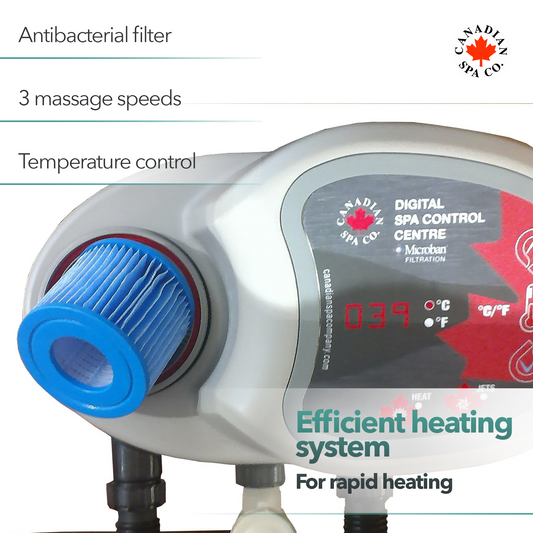
Most of our spas — 13A plug-and-play and 32A hardwired alike — run the Balboa BP control system, and on the whole range we shut the heater off by default when the high-speed pumps engage. That's a deliberate design choice, not a 13A limitation: with the cover closed the water gains roughly 1°C per hour, so running the heater during a soak adds negligible temperature over a typical session. A few brands market 'heat + jets simultaneously' as a feature; what they don't say is that it only works if the pumps are weak on continuous-duty HP. A properly specced tub — our Toronto SE on 2×5HP pumps, for instance — can't run both at once even on 32A, and there's no real benefit if it could.
-
Same insulation package as our 32A spas
'Plug-and-play' doesn't mean 'thin-walled'. The hard-shell spas in this collection carry the same full-foam cabinet, tapered hard-top cover and heat-recycling skirting as our 32A models. In real-world use — all pumps running at full power during a 45-minute soak — our insulation package loses roughly 1–2°C; a lesser-insulated tub drops closer to 5°C over the same session, triggering a rapid cool-down and an early exit. On our spas, most customers go pruney before they go cold. The inflatables use a genuine vinyl insulation wrap (not a printed panel) and 74cm of depth.
-
Delivered, positioned, filled, plugged in — same day
Because there's no electrical commissioning step, you can be in the water the evening the spa arrives (heat-up time allowing). Our driver delivers kerbside on a pallet. Most customers slide the tub into position on the patio, fill from the hose, and plug into the existing outdoor socket. No waiting on an electrician, no second site visit, no clash between the delivery slot and the sparky's day off.
Plug & Play (13amp) Buying Advice
Use this collection to compare specifications, delivery options, and aftercare before you buy. Contact our UK support team for help choosing the right model for your space and budget.
-
Grand Rapids Hot Tub – 2025 Stock | Limited Availability
Regular price £349.00Regular price£499.00Sale price £349.00Reduced -
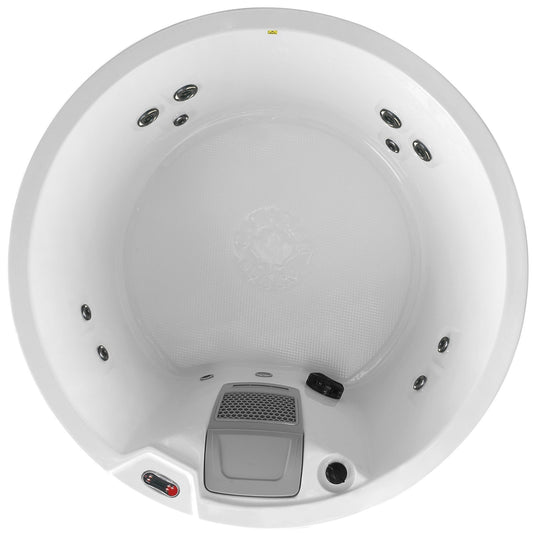
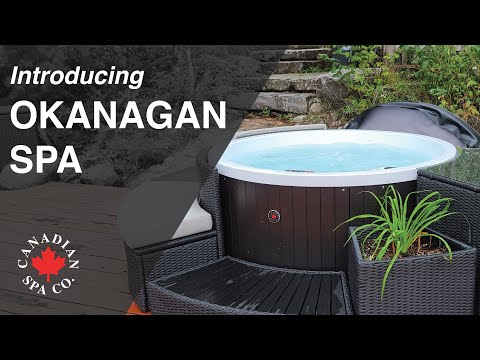
Okanagan 4-Person Patio Spa | 160 cm Diameter
Regular price £2,932.99Regular price£4,999.00Sale price £2,932.99Reduced -
Muskoka Patio Spa | 5-Person 14-Jet | 188 x 188 cm
Regular price £3,733.99Regular price£5,999.00Sale price £3,733.99Reduced -
Yukon Plug & Play Hot Tub | 2-Person 16-Jet | 213 x 100 cm
Regular price £3,999.00Regular price£5,495.00Sale price £3,999.00Reduced -
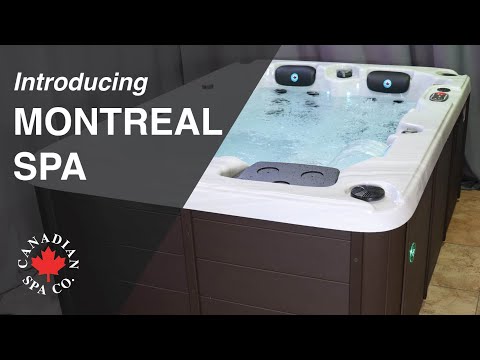
Montreal Plug & Play Hot Tub | 3-Person 24-Jet | 213 x 150 cm
Regular price £6,799.00Regular price£0.00Sale price £6,799.00 -
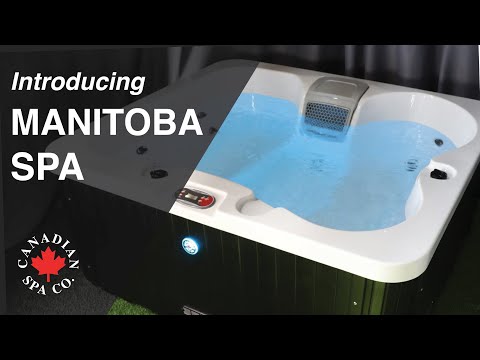
Manitoba Patio Spa | 4-Person 14-Jet | 172 x 154 cm
Regular price £4,999.00Regular price£6,999.00Sale price £4,999.00Reduced -
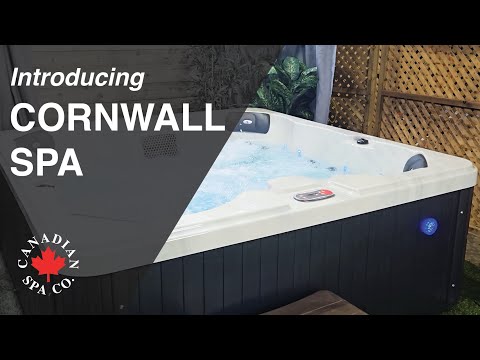
Cornwall AI Plug & Play Hot Tub | 5-Person 18-Jet 70 Nozzles 1980x1980x730mm
Regular price £4,999.00Regular price£5,999.00Sale price £4,999.00Reduced -
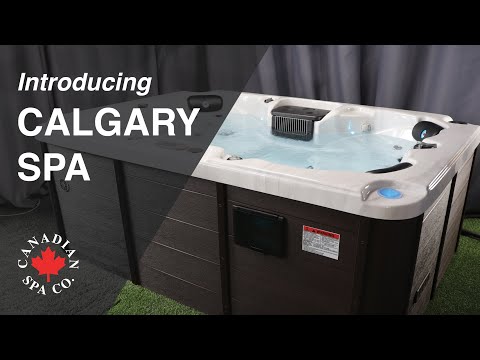
Calgary Plug & Play Hot Tub | 4-Person 24-Jet 213 x 150 x 78 cm
Regular price £5,609.99Regular price£7,300.00Sale price £5,609.99Reduced -
Ex-Display/Demo Manitoba 4-Person Patio Spa | 172 x 154 cm
Regular price £3,995.00Regular price£4,995.00Sale price £3,995.00Reduced -
2026 Grand Rapids Inflatable - 110-Jet - 3 Speed - 4-Person Hot Tub with LED Light
Regular price £499.00Regular price -
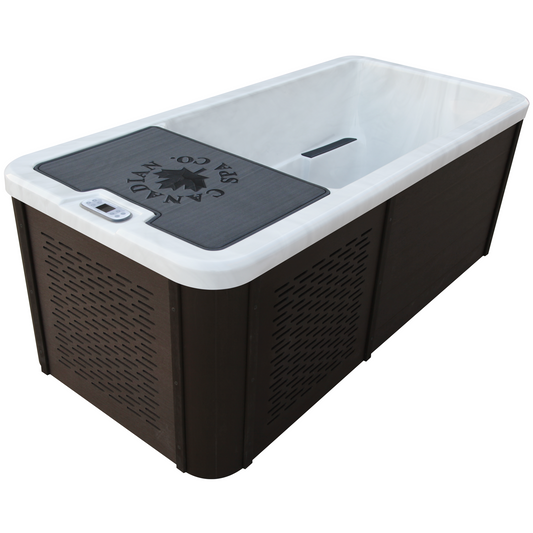
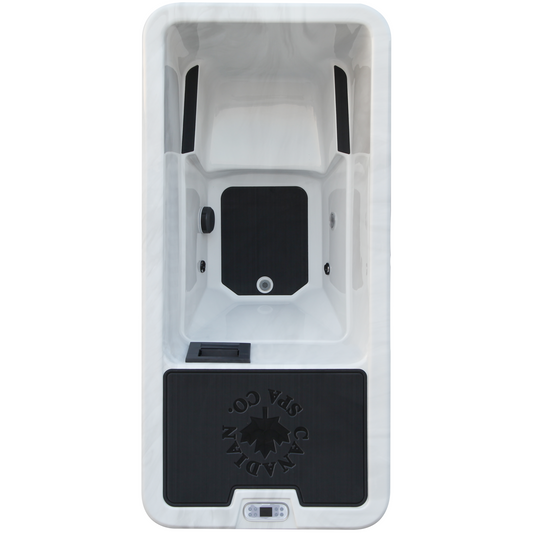
Chill Therapy Spa - Fill, plug in, and experience it Brown Finish
Regular price £2,895.00Regular price -
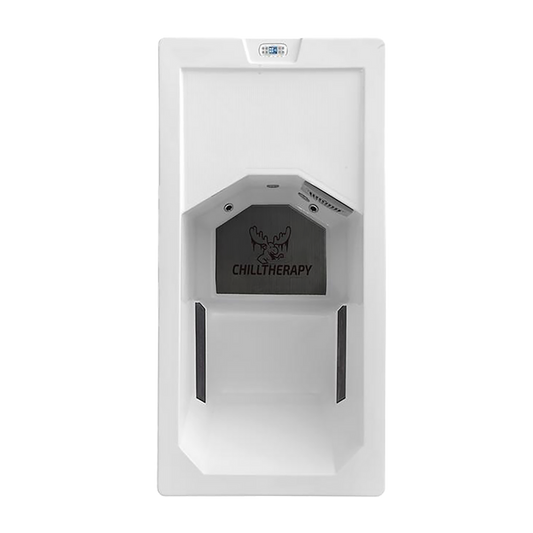
Great Lakes Chill Therapy Spa - Fill, plug in, and experience it Grey Finish
Regular price £2,495.00Regular price£5,999.00Sale price £2,495.00Reduced













Plug & Play (13amp): UK Buying Guide
This collection is part of the Canadian Spa Company UK range of hot tubs, swim spas, saunas and spa essentials. Compare options by fit for your space, running costs, insulation, warranty and ongoing maintenance requirements to make a better long-term choice.
If you need help choosing the right model or part, our support team can guide you on compatibility, delivery and aftercare.
Who it's for
Where a 13A spa is the right answer
Plug-and-play isn't a compromised spa — it's a different install path for a different kind of buyer. Here's where it's the better pick.
-
The only credible hot tub for a tenancy
You can't run a 32A cable through a wall you don't own, and you can't dig a dedicated spa pad into someone else's garden. You can position a spa on an existing patio and plug it into the outdoor socket that's already there. 13A is what lets renters own a real hot tub — inflatable or hard-shell — and take it with them when they move.
-
Installed the day it lands, not the week after
A 32A hard-shell spa usually means a site survey, an electrician quote, a consumer-unit upgrade for older houses, a second delivery window to line up with all of that, and the genuine possibility that something doesn't match on the day. A 13A spa skips the whole chain. If the patio's level and the socket's healthy, you're sitting in the tub the same evening it arrives.
-
No electrician quote, no consumer-unit upgrade
Plenty of UK houses — particularly older terraces and anything with a shared fusebox — can't take an additional 32A circuit without an upgrade to the consumer unit. That's a separate several-hundred-pound job on top of the spa install. A 13A tub runs from the socket that's already in the garden, which sidesteps the whole conversation.
-
Ideal for holiday lets and second homes
A plug-and-play spa is meaningfully easier to run at a property you're not in full-time. It doesn't need you to coordinate a sparky for the install, and if you need to wind the property down for a maintenance window, you unplug it. Popular with Airbnb hosts, farm-stay owners and anyone looking after a coastal cottage.
-
Lower all-in cost of getting into the water
The sticker price is only half the spa-install bill on a 32A tub — the other half is the electrician, potentially a new consumer unit, sometimes a trench across the lawn for the cable. A 13A tub bypasses all of that. For a lot of households the real cost difference between '13A spa' and 'entry-level 32A spa' isn't the spa itself — it's the install.
-
Still a year-round spa — not a summer one
The trade-off of 13A is heat-up speed, not insulation. Once the tub is up to temperature and the cover's on, the heater has plenty of headroom to hold 38°C through a British winter. Plenty of our 13A customers run the spa every week from October to March. The rule is simple: fill it the day before you first want to use it, not the hour before.
Common questions
13A plug-and-play FAQ
What does '13 amp plug-and-play' actually mean?
It means the spa runs from a standard UK 13A outdoor socket — the same pattern your lawnmower, pressure washer or kettle plugs into — instead of a dedicated 32A spa circuit fed from the consumer unit. No electrician attendance on the day of delivery, no new cable to dig in across the lawn, no consumer-unit upgrade. The spa arrives, you position it, fill it from the hose, plug it in and switch on.
The trade-off is power headroom. A 13A circuit delivers around 3kW of continuous load; a 32A spa circuit delivers roughly 7.4kW. That headroom is what lets a 32A tub carry a bigger circulation pump — serious hydrotherapy specs like the Toronto SE sit on 32A for the pump HP, not because the heater needs to run flat-out during a soak. The practical consequence of 13A is a slower first heat-up from cold and a ceiling on how large the pumps can be. Once the water's at temperature, the two categories run identically.
What kind of socket do I need?
A weatherproof outdoor-rated 13A socket on an RCD-protected circuit, close enough to the spa that the factory power lead reaches without an extension. That's it.
What you absolutely should not do: run the spa from an indoor extension lead trailed through a window, from a daisy-chained four-way adapter, or from a socket that's already carrying heavy load (garage freezer + tumble dryer + workshop tools). Under-powering a 13A spa doesn't just stall the heat-up — it's how fires start and RCDs nuisance-trip every time it rains.
If you don't have a proper outdoor socket within reach of where the spa's going, have an electrician fit one before the delivery slot. It's a short job, usually a couple of hours, and it's easily the best-spent money on the whole install.
How long does a 13A spa take to heat up?
From a cold mains fill (10–14°C water) to a usable 38°C, plan on 18–36 hours depending on tub size, ambient temperature and cover quality. Larger hard-shells sit at the top of that range; the inflatables around 18–24 hours. It's longer than a 32A spa's 8–14 hours, but it's a one-off — once the water's up to temperature, both categories hold the set point fine.
The practical rule: fill the tub the day before you first want to use it, not the morning of. After that first heat-up, the cover does most of the work and the heater only has to top the water up.
Can a 13A spa hold temperature through a British winter?
Yes. The insulation package on our 13A hard-shells is the same as on the 32A models — full-foam cabinet, tapered hard-top cover, heat-recycling skirting — so the tub holds 38°C without the heater being pinned. In freezing weather the heater cycles more often, but 3kW of continuous heating capacity is well ahead of what a properly-insulated spa loses through the cover and cabinet.
The real winter risk on any spa — 13A or 32A — is leaving the tub full but switched off during a hard freeze. That's when the heater, the pump or the plumbing can freeze solid, which is a write-off rather than a warranty claim. If you're going away for a fortnight in January, either keep the spa running normally with the cover on, or have it drained properly before you leave.
Does the heater run while the jets are on high speed?
No — and that's true across our whole range, not just the 13A tubs. Most of our spas use the Balboa BP control system, which by default shuts the heater off when the high-speed pumps engage on both 13A plug-and-play and 32A hardwired models. It's a deliberate design choice: with the cover closed the water gains around 1°C per hour, so running the heater during a soak adds negligible temperature over a typical session.
Some brands market 'heat + jets simultaneously' as a benefit. In practice that only works when the pumps are weak on continuous-duty HP — which is the real measure of jet performance. A properly specced tub like our Toronto SE (2×5HP pumps) can't run heater + pumps together even on 32A, and there's no meaningful benefit if it could. If you want the biggest pumps we make, that's a 32A call; if you're buying for reliable day-to-day soaking, 13A is fit for purpose.
How many people can a 13A spa fit?
Most 13A plug-and-play hard-shells are sized for 2 to 4 adults, and the inflatables for 2 adults plus 2 young children. That's not a coincidence — larger tubs have more water to heat and more surface area losing heat, which needs the 32A headroom to hold temperature efficiently. If you're buying for a household that'll genuinely use the tub four-up or more several times a week, a 32A spa is the right category; if you're buying for a couple, a young family or an occasional four-up, a 13A tub is fit for purpose.
Inflatable vs hard-shell — which 13A spa is right for me?
The 13A category splits cleanly. Inflatable is the right pick if budget is the primary constraint, if you rent and want to take the tub with you, if you want the option to pack it away later, or if the main use case is soaking rather than jet-therapy — the bubble system on an inflatable is pleasant but it isn't pressurised hydrotherapy. Hard-shell 13A is the right pick if you want directional jets on your back and shoulders, a permanent patio fixture, and a tub that'll last 10+ years — all without needing a 32A install. Our inflatable collection and hot tubs collection both have dedicated pages that dig into the specifics.
Can I upgrade a 13A spa to 32A later?
On most of our hard-shell 13A models, yes — the control box supports a 32A hard-wire input in addition to the 13A plug, so an electrician can convert it in an afternoon if you later run a dedicated spa circuit. The real-world benefit is a faster first heat-up from cold and the headroom for larger pumps on the bigger tubs in the range. Inflatables don't have an upgrade path — they're built as 13A-only products. If you think you'll want to upgrade eventually, mention it at purchase and we'll confirm the spec of the specific model.
How much does a 13A hot tub cost to run?
A well-insulated 13A hard-shell runs at broadly the same year-round cost as its 32A equivalent once it's up to temperature — around £2–£2.50 per day at current UK electricity tariffs, averaged across the year. The 13A vs 32A difference is in how long it takes to reach that steady state from a cold fill, not in ongoing consumption.
Our plug-and-play inflatable, the Grand Rapids, sits higher — around £3–£5 per day in the warmer months, rising in the coldest weeks of winter. That's a function of inflatable construction (thinner walls and lid than a foamed acrylic cabinet), not the 13A circuit. Both figures are ranges rather than guarantees; exact cost depends on your tariff, how hot you run the tub and how often the cover's off.
What base do I need to put a 13A spa on?
The same as any other hot tub: a level, load-bearing surface. A filled hard-shell 13A spa weighs 1.5–2.5 tonnes depending on size; the Grand Rapids inflatable weighs around two tonnes. Concrete, close-jointed paving slabs, or a purpose-built spa pad all qualify. Direct onto grass doesn't — the tub sinks unevenly and the base either tears (inflatable) or stresses on one corner (hard-shell).
Decking is fine if the structure can take the load. Useful rule of thumb: if you'd be comfortable seeing 15–20 grown adults standing in the same footprint of your deck, it'll take the spa. Most domestic garden decking wasn't built with that in mind; if in doubt, the patio is the safer surface.
How quickly can you deliver a 13A spa?
Please allow up to 10 working days as a realistic ceiling — most in-stock 13A spas land meaningfully faster from our Redhill, Surrey warehouse. Exact despatch timing is shown on each product listing. Because there's no electrical commissioning step, you can be in the water the evening the tub arrives (heat-up time allowing) — a real advantage over the 32A path, where the install often waits on the electrician's diary.
What warranty do 13A spas carry?
Hard-shell 13A spas carry the same headline manufacturer warranties as our 32A models — shell structure, cabinet, plumbing and equipment cover, with wear items (filters, jets, pillows, cover fabric) treated as consumables. Inflatables carry a 12-month warranty on the heater/pump control unit and the liner against manufacturing defects. Full per-product terms on each listing; UK support is handled from Redhill, Surrey, not a reseller's email address.
UK buying guide
Plug-and-play hot tubs UK — buying guide
A 13A plug-and-play hot tub isn't a smaller or inferior version of a 'proper' spa — it's a different install path for buyers who want to skip the electrician, the consumer-unit upgrade and the wait. For a lot of UK households it's the right answer; for some households it isn't. This guide walks the decision honestly.
What 13A actually trades off (and what it doesn't)
13A means the spa runs from a standard outdoor socket on an RCD-protected circuit, delivering roughly 3kW of continuous load against the ~7.4kW of a dedicated 32A circuit. The practical consequences of that difference are just two things: a slower first heat-up from a cold fill, and a ceiling on how large the circulation pumps can be. Heat-up goes from 8–14 hours on 32A to 18–36 hours on 13A. Pump-wise, the serious hydrotherapy specs in our range — the Toronto SE on 2×5HP pumps, for example — sit on 32A because of the pump HP, not because of the heater.
The thing 13A does not trade off is the ability to 'run the heater while the jets are on'. Across our whole range — 13A plug-and-play and 32A hardwired — our Balboa BP control system shuts the heater off by default when the high-speed pumps engage. That's a deliberate design choice on a properly insulated tub, not a 13A limitation. With the cover closed the water gains about 1°C per hour, so running the heater during a soak would add negligible warmth over a typical session. A few brands in the category market 'heat + jets simultaneously' as a feature; in practice that only works when the pumps are weak on continuous-duty HP — the real measure of jet performance. On our range, the hydrotherapy is the point. The heater waits its turn because it doesn't need to work during the soak to begin with.
Everything else — insulation, jet count, cover thickness, warranty — is unchanged between 13A and 32A on our hard-shells. 'Plug-and-play' isn't code for thinner walls or a cheaper cabinet; it's an electrical classification, not a build-quality one. Real-world insulation check: with all pumps at full power across a 45-minute soak, our tubs lose roughly 1–2°C. Lesser-insulated competitors drop closer to 5°C in the same session — enough to push people out of the water. On our spas, most customers go pruney before they go cold.
Who 13A is genuinely the right answer for
- Renters. You can't run a 32A cable through a wall you don't own, or dig a spa pad into someone else's garden. You can plug a 13A spa into the existing outdoor socket and take it with you when you move.
- Older houses with tight consumer units. Plenty of UK homes — terraces, shared fuseboxes, tired 1970s wiring — can't take an additional 32A circuit without a consumer-unit upgrade. That's a separate several-hundred-pound job. 13A sidesteps it.
- Holiday lets and second homes. A plug-and-play spa is meaningfully easier to run at a property you're not in full-time, and easier to unplug for a maintenance window. Popular with hosts looking to add a feature without commissioning a site survey.
- First-time hot tub buyers. If you're not 100% sure a hot tub routine will stick in your household, a 13A spa lets you find out without committing to an electrician's quote, a patio rebuild and a 32A install. If it sticks, most of our 13A hard-shells can be upgraded to 32A later — see the FAQ.
- Small footprints and fast installs. Town gardens, balconies capable of taking the load, country cottages with tight access — anywhere the spec of the electrical supply is the real constraint, 13A removes it.
Who 13A isn't the right answer for
- Regular 4+ adult use. A larger tub has more water to heat and more surface area to lose it through. Beyond 4 adults sitting in the tub several times a week, the 32A headroom starts to matter — the heater needs to keep up while the bigger pump's running, and the overall running cost stays tidier on the higher-powered circuit.
- Top-tier hydrotherapy. If the reason you're buying the tub is serious back-and-shoulder therapy — the largest pumps, the most aggressive directional jets, long sessions built around the massage rather than the soak — that's a 32A call. Higher-HP pumps need the 32A headroom. It's not about running the heater at the same time (on our range the heater pauses during high-speed pump operation regardless); it's about the pumps themselves being bigger.
- Buyers who want the fastest possible first heat-up. Moving house in February and want the tub hot the same evening it lands? A 32A install makes that realistic; a 13A spa takes a day or so to reach temperature from a cold fill. After that, there's no difference.
There is no hierarchy here. A 13A spa is not a junior 32A spa. They solve different installation problems for different households. We sell both, and we'd rather tell you when a 32A spa is the right call than sell you into the wrong category.
What a healthy 13A socket actually looks like
The single most important thing to check before the spa arrives is the supply itself. A 13A spa draws close to the full 13A when it's heating from cold — that's the design point — and it does so on a circuit that's usually already carrying other outdoor load (lights, a garage, a greenhouse). The checklist:
- The socket is outdoor-rated. Weatherproof housing, sprung flap, properly sealed. Not an indoor-only socket on the wrong side of a wall.
- The circuit has a working RCD. Every UK consumer unit installed in the last 20 years has one, but plenty of older properties don't, or the RCD hasn't been tested in a decade. An electrician will confirm with a 30-second test.
- The circuit isn't already heavily loaded. A socket on a circuit that's already running a workshop, a freezer and a tumble dryer doesn't have 13A of headroom to give the spa when the heater kicks in. If in doubt, ask your electrician to check the circuit load — or have a dedicated garden socket fitted on its own spur.
- The spa's power lead reaches the socket without an extension. No extension cables, no adapters, no four-way splitters. The factory lead is designed for the current; consumer-grade extensions aren't.
Fitting a proper outdoor socket where there isn't one is a short electrician job — usually an afternoon, rarely more than a couple of hundred pounds. It's easily the best-spent money on the install, and far cheaper than the alternative (a damaged control board, a voided warranty, or a spa that never quite holds temperature).
How to think about first heat-up
The single biggest surprise for a new 13A owner is the first heat-up. A tub full of mains-temperature water at 10–14°C is two-plus tonnes of cold mass; raising it to 38°C on 3kW takes 18–36 hours, longer in winter. That's physics, not a fault — and it happens once per fill.
The rule: fill the tub the day before you first want to use it, not the morning of. After that initial heat-up, the cover does most of the work. The heater only has to top up the temperature lost through the cover each night, which a 13A circuit has more than enough capacity to do. The tub stays hot continuously until you drain it for a water change, every 4–6 weeks.
Running cost — 13A vs 32A
Once up to temperature, a well-insulated 13A hard-shell runs at broadly the same year-round cost as its 32A equivalent — around £2–£2.50 per day at current UK electricity tariffs, averaged across the year. The 13A/32A difference is in how long it takes to reach the steady state from cold, not in ongoing consumption.
The inflatable sits higher — around £3–£5 per day in the warmer months, rising during the coldest weeks of December and January. That's a function of inflatable construction (thinner walls and lid than a foamed acrylic cabinet), not the 13A circuit. Both figures are ranges, not guarantees; exact cost depends on your tariff, how hot you run the tub and how often the cover's off.
Upgrade path
Most of our hard-shell 13A models are dual-spec: the control box supports a 32A hard-wire input in addition to the factory 13A plug. If you start on 13A and later commission a dedicated 32A circuit, an electrician can convert the spa in an afternoon — no new spa required, just a wiring change inside the control box. Inflatables are 13A-only by design; there's no upgrade path, which is part of why they sit where they do in the range.
If you're certain you'll never want to upgrade — a rental property, a holiday let, a household sure of its use pattern — this doesn't matter. If you're not certain, mention it when ordering and we'll confirm the dual-spec status of the specific model.
Where Canadian Spa fits
We've been a hot tub specialist in the UK for over 35 years, and plug-and-play is a category we've sold since long before the recent electricity-price shift made it mainstream. The 13A range sits in our Redhill, Surrey warehouse, supported by the same UK-based customer service team that looks after the 32A hard-shells and the swim-spa range. If something goes wrong in week three of owning the tub, you're phoning a UK office, not emailing a reseller you've never met. Our warranty, our service visits and our parts supply are all handled from the same address. That's the part of the plug-and-play category most online listings don't tell you about.
Frequently asked
What's the best 13 amp hot tub UK?
The best 13A tub is the one that matches your household. For 2–4 adults wanting a permanent patio fixture with proper jets, our hard-shell 13A range is the straight answer — same insulation and cover spec as our 32A models, just a different electrical classification. For 2 adults and 2 young children, or a renter who wants portability, the Grand Rapids inflatable is purpose-built for the job: real vinyl insulation wrap, 74cm depth, UK warranty. Our hot tubs collection and inflatable collection break down the specific models.
Do I need an electrician for a 13 amp hot tub?
No — not for the spa itself. A 13A spa plugs into an existing outdoor-rated UK socket on an RCD-protected circuit. You only need an electrician if you don't have a healthy outdoor socket within cable reach of the spa, in which case fitting one is a short afternoon job. What you absolutely don't want is an indoor extension lead trailed through a window — that's the one thing that reliably goes wrong on plug-and-play installs.
Can a 13 amp spa run through a UK winter?
Yes. The hard-shell 13A models carry the same full-foam cabinet and tapered hard-top cover as our 32A spas, so heat loss is the same — and once the tub is up to temperature, 3kW of continuous heating is more than enough to hold 38°C through a British winter. The first heat-up from a cold fill is slower than on 32A, but that's a one-off per refill. The only winter failure mode to avoid is leaving the spa full but switched off during a hard freeze — keep it running with the cover on, or drain it before a long absence.
13 amp vs 32 amp hot tub — which should I buy?
Pick 13A if install speed, tenancy flexibility or consumer-unit compatibility matter more to you than first-heat-up time. Pick 32A if you want the biggest pumps we make (the Toronto SE's 2×5HP hydrotherapy, for instance), if you have 4+ adults using the tub several times a week, or if you want the shortest possible heat-up from a cold fill. 32A is about pump HP and heat-up speed, not about running the heater during a soak — across our whole range the heater pauses when the high-speed pumps engage, and at 1°C/hour heat gain under a closed cover it'd add nothing to the session anyway. For most two-adult and family households, 13A is fit for purpose — and on most of our hard-shell models, you can upgrade to 32A later without buying a new spa.
How fast can you deliver a plug-and-play spa?
Allow up to 10 working days as a ceiling — most in-stock 13A spas land faster from our Redhill warehouse. Exact timing is on each product listing. The bigger practical advantage on 13A vs 32A isn't our delivery speed; it's that there's no electrician step between delivery and first use. A 32A install frequently waits a fortnight on the sparky's diary. A 13A install is the same afternoon.