


What an Infrared Sauna Really Does: Weight Management, Wellbeing and Healthy Routines Explained
Xavier Labelle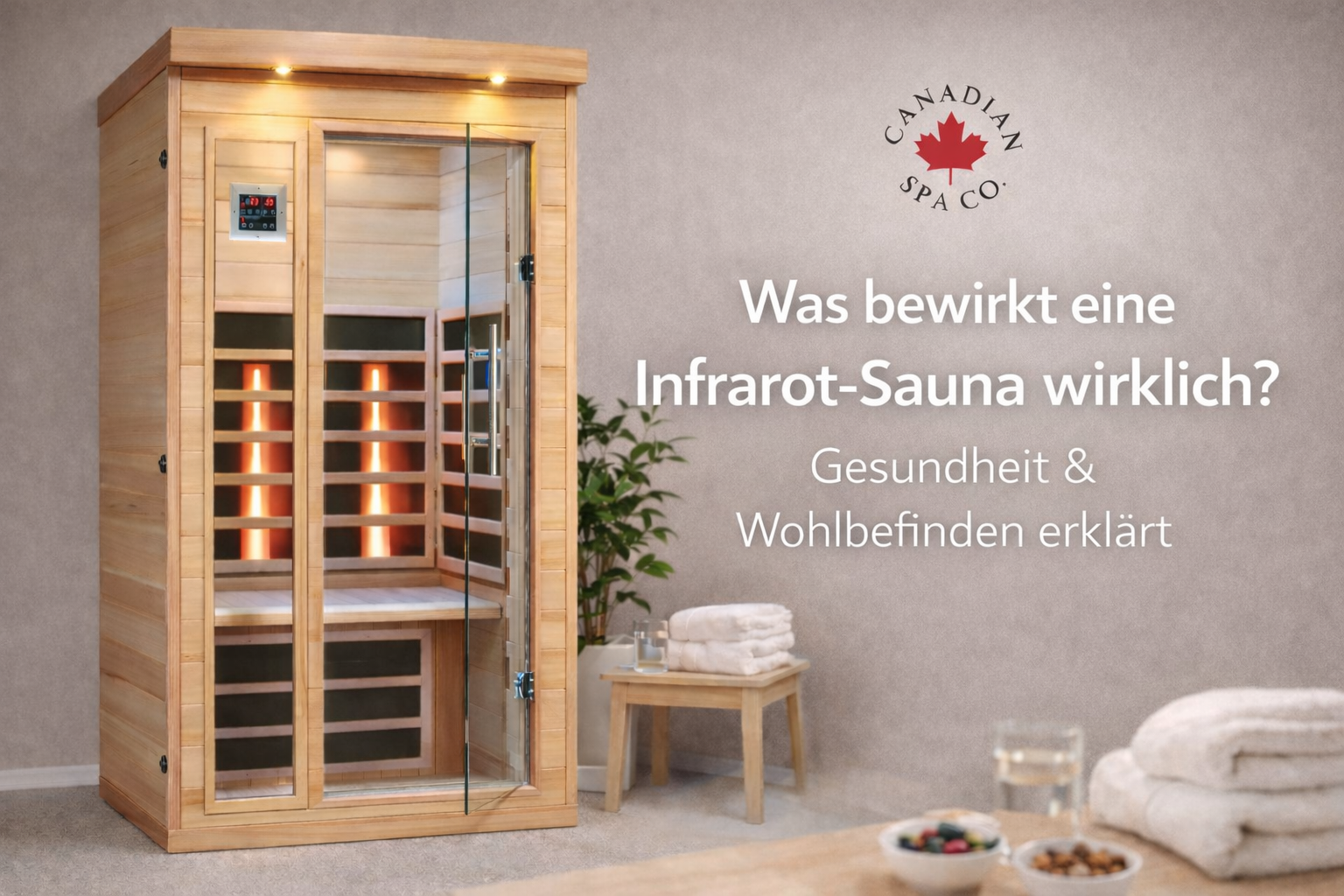
Why infrared saunas are having a moment
January is a season of resets. People are looking less at crash diets and more at sustainable habits — small, repeatable rituals that fit real life. Infrared saunas suit that mindset well: they need little space, run at moderate temperatures, and slot easily into busy days. Used wisely, they aren't a miracle weight-loss tool, but they can become a supportive piece of a healthier routine.
How infrared saunas work
Unlike a traditional Finnish sauna, an infrared sauna doesn't primarily heat the surrounding air. Instead, infrared emitters direct warmth straight onto the body — a sensation many find more pleasant. Cabin temperatures usually sit between 19 and 60 °C, much lower than a Finnish sauna, yet the body still responds: heart rate rises gently, circulation activates, and natural temperature regulation kicks in. The Chilliwack Far Infrared Sauna lets you adjust the warmth to suit your day, from a soft session for unwinding to something more intense.

Why effects start at lower temperatures
Because infrared warmth acts directly on the body rather than heating the air first, your system reacts sooner. Less energy goes into warming the room, and physical responses begin earlier — without extreme heat. That's exactly what makes infrared sessions easier to repeat regularly.
Infrared warmth and calorie burn — a realistic view
During a session your heart rate may climb a little, your body works on temperature regulation, and energy expenditure rises moderately. Still, an infrared sauna doesn't replace exercise or balanced nutrition. Short-term weight changes after a session are mostly fluid loss — not lasting fat loss.

Where infrared saunas genuinely help
They support indirect factors that matter for long-term weight management:
- Recovery after exercise — warmth helps loosen muscle tension and supports the rest you need to stay active.
- Stress reduction — calmer evenings often mean fewer impulsive food decisions.
- Steadier routines — a fixed wellness pause builds mindfulness around movement, food, and rest.
Infrared vs. traditional sauna — which fits your lifestyle?
Finnish saunas use very high temperatures and intense air heat, which many enjoy for occasional, longer spa-style sessions. Infrared saunas favour moderate temperatures and direct warmth, making them friendlier for everyday use — gentler heat, shorter warm-up, easier to fit into the daily flow.
Low EMF — an extra peace-of-mind factor

Because infrared saunas run on electricity, electromagnetic fields are a fair question. Modern units like the Chilliwack are engineered to keep EMF values low through optimised heaters, smart cabling, and modern controls. The aim isn't fear, but transparency.
Everyday use, realistically
Infrared saunas warm up faster, don't need a separate room, and don't demand extreme heat. Twenty to thirty minutes is often enough to feel real warmth, calm, and reset.
A practical option for home: the Chilliwack Far Infrared Sauna
Compact enough for a bedroom, home office, or bathroom, it lowers the entry barrier to consistent wellness with direct infrared warmth, a Low-EMF build, simple controls, and a space-saving design.
FAQs at a glance
Will it melt fat away? No, but it can support healthy habits. How does it compare to traditional saunas? It warms the body directly and runs cooler. How often? Two to four sessions a week, 20–30 minutes each, work for most people. Beginners? Start short and build up. Low EMF? A deliberately reduced electromagnetic footprint. Setup? A level floor plus standard outlet are usually all you need.
Takeaway
Small rituals, real impact. Used consistently, an infrared sauna becomes part of a healthier, calmer daily rhythm — without the pressure of all-or-nothing wellness.
👉 Discover the Chilliwack Far Infrared Sauna at Canadian Spa Company UK